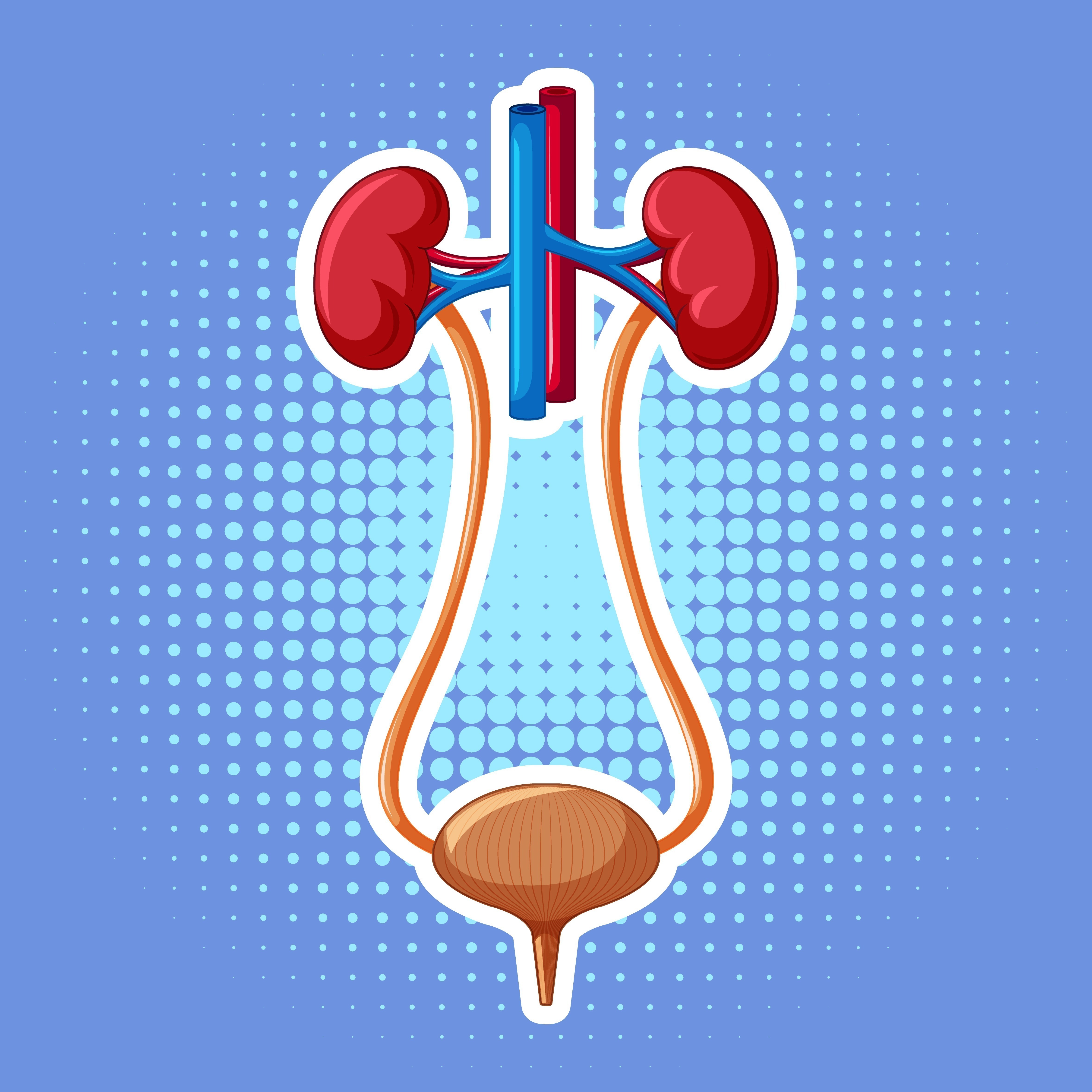
Cancers involving the kidney, prostate and urinary bladder are different diseases with different presentations. They should not be grouped together simply because they fall within urological care.
One important similarity, however, is that early disease may not always produce dramatic symptoms. Knowing which changes deserve medical evaluation can help patients respond appropriately without assuming that every urinary symptom means cancer.
Blood in Urine Is an Important Warning Sign
Visible blood in urine is one symptom associated with several urological conditions, including urinary cancers.
It may appear pink, red, or dark and can sometimes occur without pain.
Kidney stones and urinary infections can also cause haematuria, so blood in urine does not automatically indicate cancer. The appropriate response is investigation to identify its source.
Possible Signs Associated With Bladder Cancer
Blood in urine is one of the better-recognized warning signs of bladder cancer.
Some patients may also experience urinary frequency, urgency, or discomfort, although these symptoms have many non-cancerous causes.
Persistent or recurrent haematuria is particularly important to discuss with a doctor.
Understanding Kidney Cancer Symptoms
Kidney cancer may sometimes be discovered incidentally during imaging performed for another reason.
When symptoms occur, they can vary. Blood in urine, persistent discomfort in the side and certain general symptoms may prompt further evaluation.
These symptoms are not specific to kidney cancer and should be interpreted through appropriate investigations.
Prostate Cancer Can Be Different
Prostate cancer deserves separate consideration because early disease may produce no obvious symptoms.
Urinary difficulty in older men is frequently associated with benign prostate enlargement, but symptoms alone cannot reliably determine whether a prostate condition is benign or malignant.
Assessment may consider age, medical history, examination and appropriate investigations based on the patient's circumstances.
Who Should Be Particularly Attentive?
Risk assessment is individualized.
Age, family history, smoking exposure and previous medical conditions can influence the significance of certain urinary symptoms.
People with a strong family history of relevant cancers should discuss appropriate assessment with their doctor rather than waiting for symptoms to develop.
What Does Urological Evaluation Involve?
The first stage is understanding the patient's symptoms and risk profile.
Depending on the concern, evaluation can include:
- Urine investigations
- Blood tests
- Imaging
- Prostate assessment
- Endoscopic evaluation of the urinary tract when indicated
- Additional tests based on findings
A diagnosis of cancer requires appropriate clinical investigation. Internet symptom checklists cannot establish it.
Avoid Two Common Extremes
- The first mistake is ignoring symptoms because they are painless.
- The second is assuming that any urinary symptom must be cancer.
Both approaches can cause unnecessary problems. Persistent urinary symptoms require proportionate medical evaluation based on the patient's clinical situation.
When Should You Arrange an Assessment?
Seek medical advice for unexplained visible blood in urine, recurrent haematuria, persistent urinary changes, concerning prostate findings, unexplained persistent flank symptoms, or abnormalities detected during previous investigations.
Vandana Uro Care in Pune evaluates conditions affecting the kidney, prostate, urinary bladder and wider urinary system, including patients who need assessment for suspected urological disease.
For people in Pune, Maharashtra, the purpose of seeking timely evaluation is not to assume the worst. It is to replace uncertainty with appropriate clinical investigation. Many urinary symptoms have non-cancerous causes, but warning signs such as unexplained blood in urine deserve attention because identifying the underlying cause is important regardless of whether it proves to be benign or more serious.