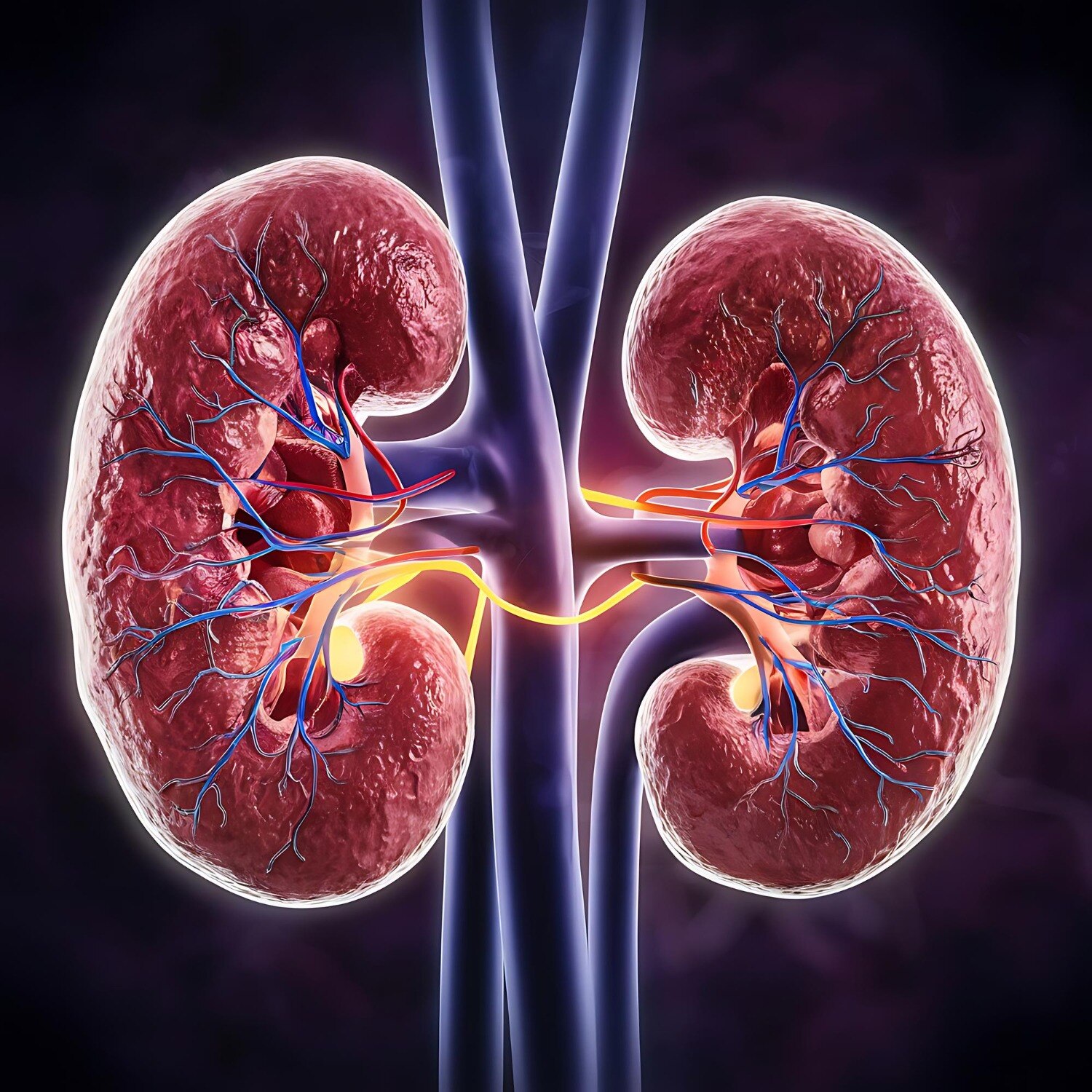
Urine leakage usually reflects a problem with bladder storage, the urinary sphincter, pelvic floor, nerves, prostate or mobility—not a tumour in the kidney. You will learn which urinary changes need cancer assessment, which patterns suggest common non-cancer causes, and what to expect from a properly targeted evaluation in Pune.
Key takeaways
- Urinary leakage alone is not a typical kidney cancer symptom.
- Blood in urine, flank pain, or an unexplained lump needs prompt assessment.
- Evaluation may include urine tests, examination, ultrasound, or CT imaging.
- Arrange a kidney cancer consultation when leakage accompanies other warning signs.
Is urinary incontinence a typical symptom of kidney cancer?
Leakage alone is not a typical presenting symptom of kidney cancer. Incontinence symptoms and cancers of kidney in Pune should not be treated as the same diagnosis: the kidneys make urine, while the bladder, sphincter, pelvic floor and nerves control its release.
Common leakage patterns include:
- Leaking before you reach the toilet, usually from urgency or an overactive bladder.
- Leaking during coughing, sneezing, lifting or exercise, which suggests stress incontinence.
- Continuous dribbling, especially with a weak stream or incomplete emptying, which raises concern for overflow incontinence.
- Bed-wetting, which has several possible bladder, sleep, neurological or medication-related causes.
Kidney cancer is more associated with visible blood in urine or microscopic blood found on testing, persistent one-sided flank or back pain, a flank or abdominal lump, unexplained weight loss, fever, night sweats, fatigue or anaemia.
The classic combination of blood, flank pain and a palpable mass is not a dependable screening rule: many tumours are found incidentally, while advanced presentations are uncommon.
When reviewing cancers of kidney symptoms in Pune, remember that bladder cancer, infection, stones and prostate disease can also cause blood, burning, frequency or urgency. Incontinence without haematuria or other renal findings provides weak evidence of a kidney tumour, but persistent new leakage still deserves assessment because treatable causes are common.
How do kidney tumours differ from the causes of urine leakage?
Kidneys make urine; the bladder stores it, and the urethral sphincter, pelvic floor, nerves, prostate and mobility control its release. A kidney tumour therefore does not usually remove bladder control directly. It can affect urination indirectly by causing bleeding, blockage or impaired kidney function.
| Pattern | What it usually suggests | What you may notice |
|---|---|---|
| Stress incontinence | Pelvic-floor or sphincter weakness | Leakage with coughing, sneezing, lifting or exercise |
| Urgency incontinence | Overactive bladder or irritation | A sudden compelling urge followed by leakage |
| Overflow incontinence | Retention from prostate enlargement, nerve disease or blockage | Continuous dribbling, weak flow, straining or incomplete emptying |
| Functional incontinence | Mobility or cognitive difficulty | You cannot reach or use the toilet in time |
Common alternatives include urinary infection, diabetes, neurological disease, pelvic-floor weakness, medicines and constipation. Visible blood means urine looks pink, red or brown; microscopic blood appears only on testing. Cloudy urine means haziness, while frequency means urinating more often than usual. Urgency is a difficult-to-delay need to urinate; true incontinence is involuntary leakage.
Cancers of kidney symptoms in Pune should not be identified from symptom wording alone: testing is needed to locate the urinary-tract problem. A tumour may cause blood or flank symptoms without leakage, while bladder disease can cause frequency and urgency. Symptom descriptions cannot identify tumour type or stage.
Persistent leakage still merits urinary incontinence evaluation in Pune because treatable non-cancer causes are common.
Which warning signs need prompt urology cancer assessment?
Visible blood in urine, especially clots, needs follow-up even when you also have leakage. Do not dismiss it as incontinence, a urinary infection or menstrual contamination. Persistent or recurrent haematuria can require urine testing, cystoscopy and upper-tract imaging.
| Warning sign | Why it matters | Next step |
|---|---|---|
| Visible blood or clots | May reflect bleeding anywhere in the urinary tract | Prompt urology cancer assessment in Pune |
| Persistent one-sided flank pain, severe pain, or a new abdominal or flank lump | Raises concern for obstruction, a mass or another urgent cause | Arrange prompt assessment |
| Recurrent unexplained fever | Can accompany infection, obstruction or cancer | Seek assessment, especially with urinary symptoms |
| Reduced urine output or inability to urinate | May indicate obstruction or acute retention | Obtain urgent medical care |
| Unexplained weight loss or progressive weakness | Suggests a broader systemic illness | Arrange prompt assessment |
| New leg weakness or saddle numbness | May signal neurological compression affecting bladder control | Seek emergency care for rapidly developing symptoms |
Acute retention, fever with urinary symptoms, confusion, faintness, rapid breathing, severe pain or rapidly worsening neurological deficits require prompt medical care, not a routine appointment. Do not wait for a cancer clinic slot.
Urgency or leakage combined with haematuria, recurrent infection, obstruction or changed kidney-function results needs broader urinary-tract assessment. The classic combination of blood, flank pain and a palpable mass is not required for cancer to exist, while isolated leakage does not establish it.
For people researching incontinence symptoms and cancers of kidney in Pune, duration, combinations and progression matter more than one symptom.
What happens during urinary incontinence evaluation in Pune?
The leakage pattern starts the urinary incontinence evaluation in Pune. Your clinician will ask whether it began suddenly or gradually and whether it follows coughing, sneezing, lifting, a strong urge, or continuous dribbling.
- Expect questions about daytime frequency, nighttime urination, fluid and caffeine intake, weak stream, straining, and incomplete emptying.
- Report pain, visible blood, constipation, medicines, diabetes, childbirth, pelvic surgery, neurological symptoms, smoking, occupational exposures, previous cancers, and family history.
- Mention prior urinary surgery or radiation, recurrent infections, and whether leakage occurs during sleep or before reaching a toilet.
A bladder diary records drinks, toilet visits, urgency, leakage episodes, and nighttime urination for several days. Examination may include the abdomen, pelvic floor, prostate, neurological function, and signs of retention. Urinalysis checks for infection, blood, glucose, and other abnormalities; kidney-function blood tests assess whether the kidneys are filtering normally.
Post-void residual measurement uses ultrasound or a catheter to measure urine left after you pass urine. It becomes particularly useful with weak flow, straining, incomplete emptying, recurrent infection, neurological disease, suspected retention, or overflow leakage. A large residual can explain dribbling and changes the treatment plan.
Urodynamic testing is not automatic. Doctors reserve it for diagnostic uncertainty, suspected neurogenic bladder dysfunction, unclear mixed symptoms, or selected decisions about invasive treatment.
Continence testing and kidney-cancer work-up overlap in examination and urine testing, but neither replaces the other: a kidney scan does not explain most leakage, and normal continence tests do not exclude every urinary-tract cancer.
When does leakage warrant a kidney cancer consultation in Pune?
Persistent new leakage deserves evaluation, but it does not by itself justify a kidney cancer diagnosis. A kidney cancer consultation in Pune combines the leakage history with urinalysis, kidney-function blood tests and imaging. Ultrasound may be an initial test; contrast-enhanced CT or MRI characterises a renal mass and assesses its extent.
| Test | What it shows | Limitation |
|---|---|---|
| Ultrasound | Whether a mass, blockage or urinary abnormality is visible | Smaller or complex lesions can require further imaging |
| Contrast-enhanced CT or MRI | Mass location, size, spread and relationship to nearby structures | Imaging does not always identify the tumour subtype |
| Renal-mass biopsy | Tissue diagnosis when needed | Not required when imaging and clinical findings already support treatment |
A biopsy is considered when its result would change management, such as choosing surveillance, ablation or surgery, or when metastasis or a non-cancerous lesion is possible. Some patients proceed directly to treatment when imaging and the clinical context provide sufficient evidence.
Bring these details to a urology cancer assessment in Pune:
- Current medication list and previous scan or laboratory reports
- Bladder diary showing timing, urgency, volumes and leakage episodes
- Details of visible blood, clots, pain or reduced urine
- Family history of kidney cancer and smoking history
VANDANA URO CARE can provide coordinated urology and uro-oncology assessment when a renal mass needs specialist review. Persistent leakage still warrants evaluation when cancer is unlikely, because infection, retention and bladder-control disorders are treatable.
Visible blood or clots, severe pain, inability to urinate, fever with urinary symptoms or rapidly worsening weakness should not wait for a routine appointment.
Frequently asked questions
Is urinary incontinence a typical symptom of kidney cancer?
No. Leakage alone is not a typical presenting symptom of kidney cancer. Urine control depends on the bladder, sphincter, pelvic floor, and nerves, while the kidneys produce urine.
How do kidney tumours differ from the causes of urine leakage?
Kidney tumours arise in kidney tissue. Urine leakage more commonly relates to bladder overactivity, infection, prostate enlargement, pelvic-floor weakness, sphincter problems, or nerve disorders.
Which warning signs need prompt urology cancer assessment?
Visible blood in urine, persistent one-sided flank pain, an unexplained abdominal or flank lump, unexplained weight loss, fever with urinary symptoms, or ongoing fatigue needs prompt assessment.
What happens during urinary incontinence evaluation in Pune?
A clinician reviews your leakage pattern, medicines, fluid intake, urinary symptoms, and medical history, then performs an examination. Tests can include urinalysis, kidney-function blood tests, ultrasound, or CT imaging when indicated.
When does leakage warrant a kidney cancer consultation in Pune?
Arrange consultation when leakage occurs with blood in urine, persistent flank pain, a lump, unexplained weight loss, or abnormal test results. Seek urgent care for heavy bleeding, clots, inability to urinate, or severe pain.