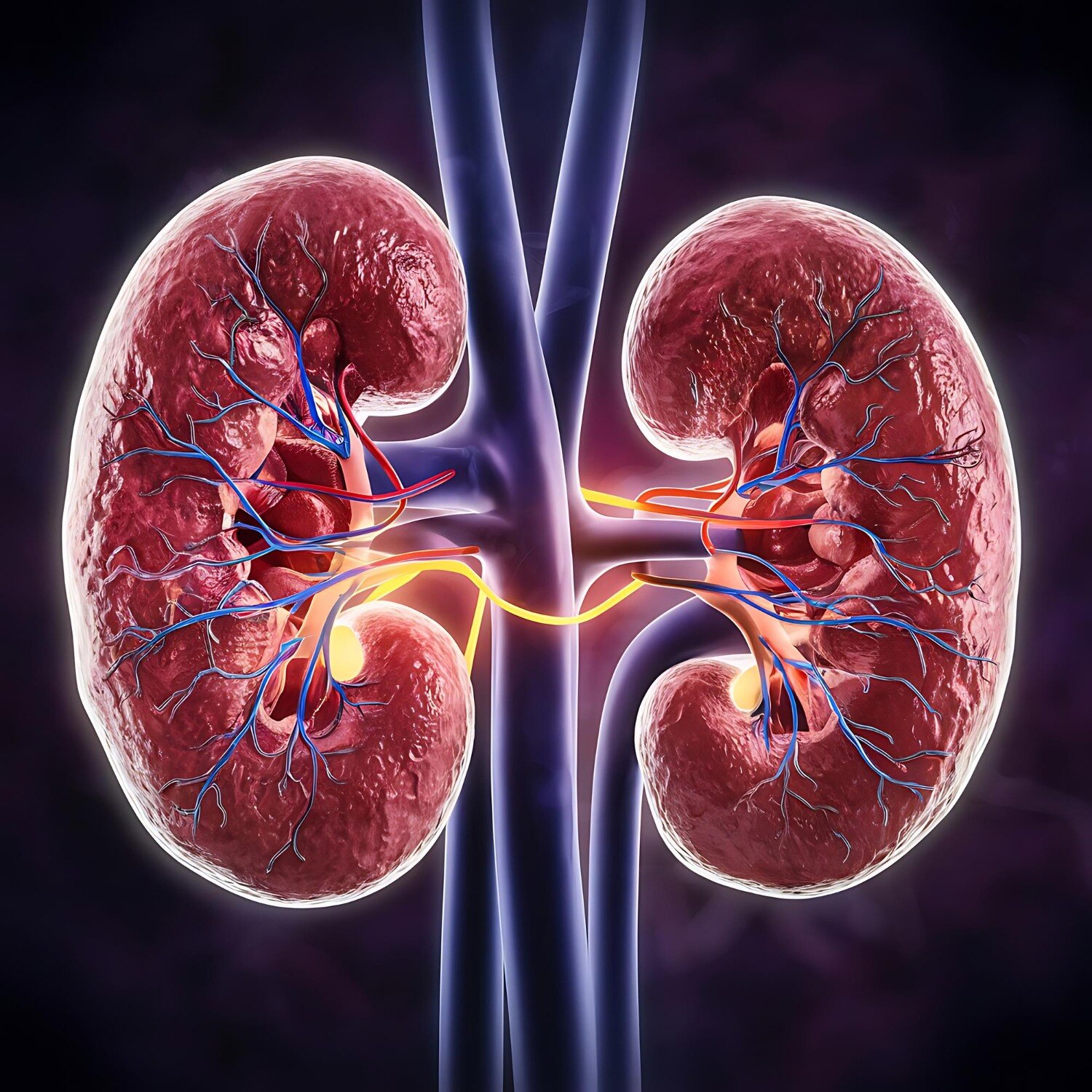
Treatment starts by confirming whether the pain comes from a stone, an infection, pregnancy-related change or another pelvic and abdominal condition. You will learn which symptoms need same-day care, what a Pune consultation involves, how pregnancy changes the pathway, and how doctors compare treatment and follow-up options.
Key takeaways
- Seek emergency care for fever, chills, vomiting or inability to pass urine.
- A consultation includes symptom history, urine tests and imaging to locate the stone.
- Small stones may pass with medicines; larger or blocked stones may need removal.
- Follow-up imaging and higher fluid intake help prevent another stone.
How kidney stones present differently in women—and when pain is an emergency
Stone pain in women can feel like menstrual cramps, ovarian pain or a pelvic condition. A stone may cause sharp flank or back pain that moves to the lower abdomen or groin, along with nausea, urinary burning and frequency that resemble a urinary infection.
Blood mixed into the urine colours the urine pink, red or brown and appears during urination; vaginal bleeding appears on underwear, a pad or tissue, although both can occur together.
Seek same-day emergency assessment if you have:
- Fever or chills with flank pain
- Vomiting that prevents you from drinking
- Inability to pass urine or a marked fall in urine output
- Fainting, confusion or severe weakness
- Severe pain that remains uncontrolled after prescribed treatment
- A single functioning kidney, or known blockage affecting both kidneys
Fever or chills with an obstructed ureter can signal an infected, pressurised urinary system. This is a urological emergency: doctors may first drain the kidney with a ureteric stent or nephrostomy, send cultures and start antibiotics, then postpone definitive stone removal until sepsis has resolved. A stent relieves pressure but does not remove the stone.
For kidney stone treatment for women in Pune, the priority is kidney function, not pain relief alone. Falling urine output, rising serum creatinine, or obstruction of both kidneys or the only functioning kidney needs urgent action. Pregnancy also changes the pathway: shock-wave lithotripsy is avoided, while drainage or carefully planned ureteroscopy may be considered.
What happens during a kidney stone consultation in Pune
At arrival, a kidney stone consultation in Pune establishes more than whether a stone is present: the clinician assesses its likely size and location, obstruction, kidney function, infection status, pregnancy status and symptom severity.
1. The clinician records when pain began, where it travels, urinary symptoms, fever, previous stones and urinary infections. Tell them every medicine, including anticoagulants, and mention menstrual or vaginal symptoms, pregnancy possibility, breastfeeding and plans for pregnancy.
2. Examination may include your abdomen and back, temperature, blood pressure and hydration status. These findings help identify infection, dehydration or pain requiring urgent care.
3. Urinalysis checks for blood, white cells, nitrites and crystals. If symptoms or results suggest infection, a urine culture identifies the bacteria and guides antibiotic choice.
4. Blood tests include serum creatinine to assess kidney function. A full blood count and electrolyte tests are added when infection, dehydration, vomiting or a complicated obstruction is suspected.
5. Pregnancy testing matters before radiation-based imaging, anaesthesia or medication choices. Ultrasound can show kidney swelling and some stones without radiation. When pregnancy is not a concern, or ultrasound is inconclusive, non-contrast CT gives more precise information about stone size, location and density.
During pregnancy, ultrasound is usually preferred first; MRI can provide further information with obstetric input.
The clinician then combines these results with your pain and infection risk to recommend observation, medication, urgent drainage or planned stone removal. Ask which finding makes the plan urgent and when you will receive the next update.
How doctors decide between observation, medicines and stone removal
A small, uncomplicated ureteric stone can often be watched with pain control, fluids guided by thirst and scheduled imaging when there is no infection, worsening kidney function or uncontrolled pain. Observation stops being safe when fever, obstruction, declining urine output or persistent symptoms appear.
Doctors weigh these points before choosing kidney stone removal in Pune:
- Stone size, position, density and anatomy: a distal ureteric stone differs from a large, hard kidney stone.
- Infection, serum creatinine, prior treatment and pregnancy status: pregnancy rules out shock-wave lithotripsy and may favour temporary stenting, nephrostomy or carefully planned ureteroscopy.
- Pain, vomiting, obstruction and your preference: symptoms that cannot be managed make active treatment necessary.
An alpha-blocker may help selected distal ureteric stones, particularly those above 5 mm, but it cannot replace urgent drainage for infected or dangerously obstructed urine.
Shock-wave lithotripsy focuses sound waves from outside the body to break a suitable stone. It avoids an internal scope, but fragments can take time to pass and may need another session.
Ureteroscopy passes a scope through the urinary passage; a laser fragments or removes the stone. It offers direct treatment but requires anaesthesia, carries a ureteric-injury risk and frequently involves a temporary stent.
Percutaneous nephrolithotomy reaches the kidney through a small back incision and is usually chosen for stones above about 2 cm or staghorn stones. It is more invasive, but suits a large stone burden.
What each kidney stone removal procedure involves in practice
Plan work, childcare and pregnancy around the procedure, not just the discharge time. Kidney stone removal in Pune may involve one of three approaches:
1. Shock-wave lithotripsy uses focused waves outside the body to break the stone. Sedation or anaesthesia may be used, and there is no incision, so discharge is often quick. Clearance depends on stone density and location; larger stones more often need repeat treatment and time for fragments to pass. It is not used during pregnancy.
2. Ureteroscopy usually uses general anaesthesia. The urologist passes a scope through the urethra and bladder into the ureter or kidney, then breaks the stone with a laser. You may go home the same day or after short observation. A ureteric stent can cause urgency, frequency, flank discomfort and blood in the urine.
Confirm the removal method and exact date before leaving.
3. Percutaneous nephrolithotomy (PCNL) uses general anaesthesia and a kidney access tract through the back. It may require a hospital stay and has greater bleeding and infection risks, but it gives strong clearance for a large stone burden, especially stones above about 2 cm or staghorn stones, with fewer repeated procedures.
Ask a women kidney stone specialist in Pune about anaesthesia, hospital stay, work absence, childcare, ureteric injury, infection, residual fragments and the chance of another procedure. During pregnancy, obstruction may require a stent, nephrostomy or carefully planned ureteroscopy with obstetric involvement.
What follow-up and prevention include after treatment
Treatment is not complete because pain has stopped. Symptoms alone cannot prove that a stone passed; follow-up imaging checks for residual fragments, silent obstruction and a retained stent.
Ultrasound, an abdominal X-ray or another appropriate study may be selected based on the stone’s type, location, pregnancy status and earlier scans.
| Test | What it checks | Important limitation |
|---|---|---|
| Ultrasound | Kidney swelling, obstruction and some residual stones | Can miss small ureteric fragments |
| X-ray | Some radio-opaque residual stones and stent position | Does not show every stone |
| CT or another targeted study | More precise clearance assessment | Radiation and pregnancy considerations apply |
Ask for a written stent-removal or exchange date. A stent keeps urine draining; it is not definitive stone treatment, and leaving it without follow-up can create complications. Retrieve a passed fragment, or ask whether a removed stone will be sent for composition analysis.
Prevention deserves review after recurrent stones, infection-related stones, stones during pregnancy or a first stone in a younger patient. Aim for urine output of at least 2.5 litres daily, keep normal dietary calcium, reduce salt and avoid excessive animal protein unless your clinician gives a different plan.
Recurrent urinary infections need urine culture-based assessment, not repeated pain treatment alone.
For a kidney stone consultation in Pune, bring scans, reports, medication details, pregnancy information and procedure dates. At VANDANA URO CARE, ask a women kidney stone specialist in Pune which test confirms clearance, who coordinates obstetric care during pregnancy, and when you can safely resume work, exercise and childcare.
Related service
Kidney Stone Treatment What is the best treatment for kidney stones? Image result for Kidney Stone Treatment Percutaneous Lithotripsy (PCNL) is the best treatment for large... View service → |
Frequently asked questions
When is kidney stone pain an emergency for women?
Seek urgent medical care for stone pain with fever, chills, repeated vomiting, confusion, inability to pass urine or severe worsening pain. A blocked urinary tract with infection requires prompt treatment.
What happens during a kidney stone consultation in Pune?
The doctor reviews your pain pattern, urinary symptoms, medical history and medicines, then may order urine testing, blood tests and imaging such as ultrasound or a CT scan.
How do doctors choose between observation, medicines and stone removal?
The decision depends on the stone’s size and location, blockage, infection, kidney function, pain control and likelihood of passing it safely. Smaller uncomplicated stones may be observed, while obstruction, infection or persistent symptoms can require removal.
What follow-up is needed after kidney stone treatment?
Follow-up can include imaging to confirm clearance, stone analysis and blood or urine testing. Your doctor may recommend higher fluid intake and dietary changes based on the stone type.