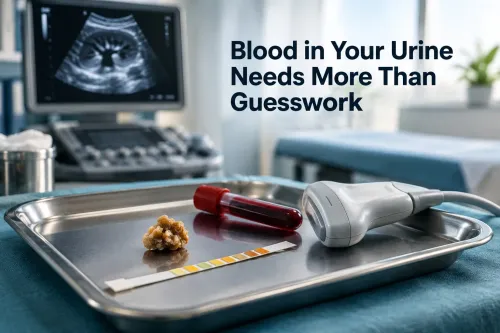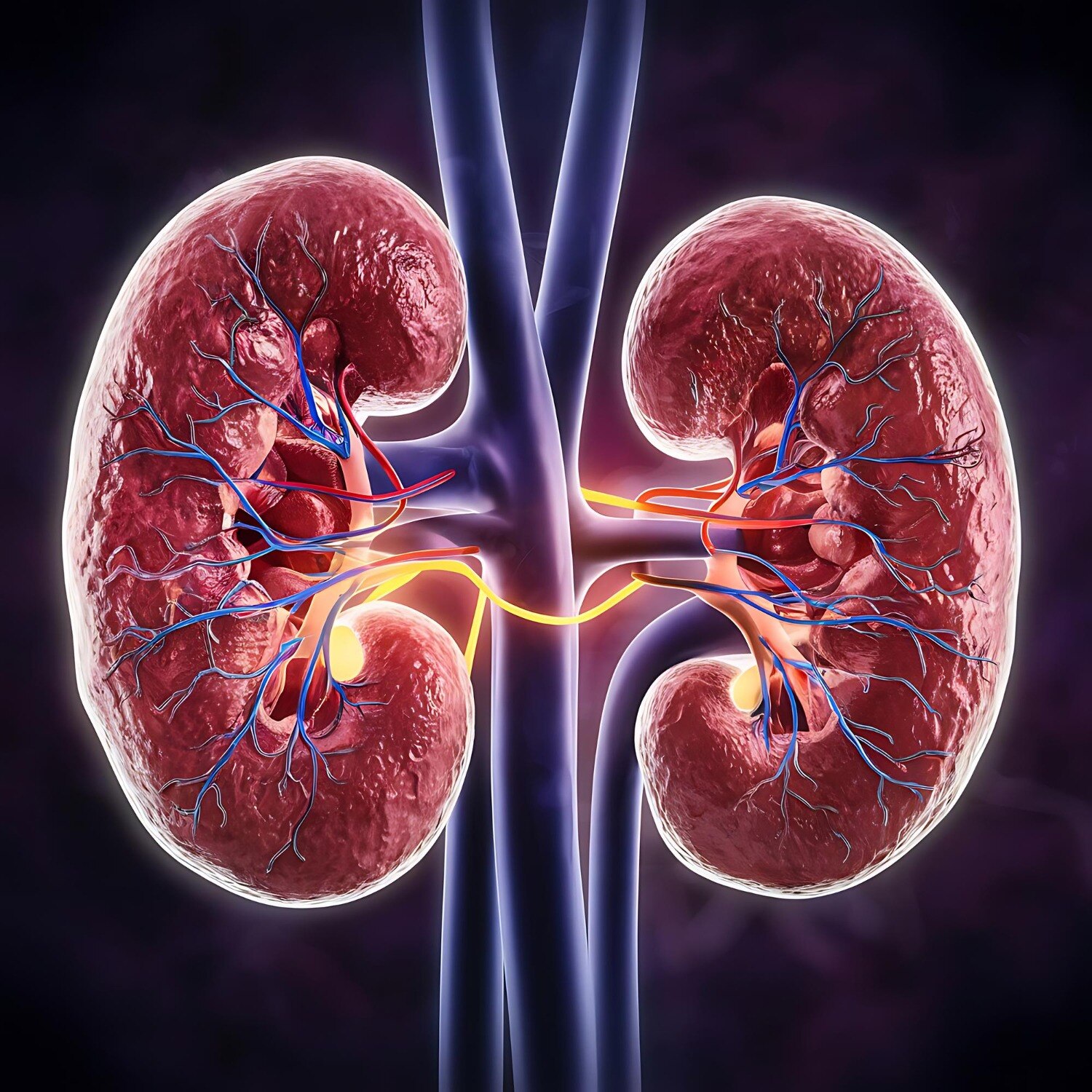
A kidney stone bill depends on more than the procedure name: scans, anaesthesia, stents, hospital stay and follow-up can change the final amount. By the end, you will know the indicative Pune cost ranges, what each treatment involves, which questions to ask for a written estimate, and when waiting is unsafe.
Key takeaways
- Ask for a written estimate covering imaging, surgeon fees, anaesthesia, stent removal and follow-up.
- Observation is safest when the stone is small, symptoms are controlled and kidney drainage is normal.
- ESWL is less invasive; URS offers direct removal; PCNL treats larger or complex stones.
- Budget for repeat imaging, urine tests, stent removal and prevention advice after treatment.
What does kidney stone treatment cost in Pune include?
There is no standard kidney stone removal cost in Pune. As an indicative private-sector guide, these figures are not regulated or guaranteed prices:
| Option | Indicative Pune range | What changes the bill |
|---|---|---|
| Consultation and basic testing | ₹1,500–₹6,000 | Imaging, blood tests and urine testing |
| ESWL | ₹25,000–₹60,000 | Repeat sessions, anaesthesia and stone location |
| URS with laser lithotripsy | ₹50,000–₹1,25,000 | Laser consumables, stent and hospital stay |
| PCNL | ₹80,000–₹2,00,000 or more | Stone burden, room category and admission length |
Ask for a written estimate that lists these charges separately:
- Surgeon’s fee, hospital or operating-room fee, anaesthesia and room category.
- Disposable instruments, imaging, blood tests, urine culture, medicines and stone analysis.
- Ureteric stent placement, stent removal or cystoscopy, and treatment for infection.
Stone size, number and location affect the procedure and its price. Obstruction, infection and urgent treatment can add tests, antibiotics, drainage or admission costs. A longer hospital stay also increases the total.
A low quote can exclude stent removal, preoperative testing or medicines. Compare the full estimate, not only the procedure name, when researching kidney stones treatment cost in Pune. Observation or symptom-control medicines may cost less when a small, uncomplicated stone can pass safely, while complex stones require more intervention.
How is a stone evaluated, and when is observation safe?
A treatment decision starts with your symptoms, examination and test results—not pain intensity alone. A kidney stone doctor in Pune will ask when pain began, where it travels, whether you have fever, vomiting, urinary symptoms or previous stones, then examine your abdomen and back.
1. Urine testing checks for blood, white cells and other infection clues. Request a urine culture when infection is suspected, especially with fever or chills.
2. Blood tests include a complete blood count, electrolytes and kidney-function tests such as serum creatinine. These results show whether obstruction is affecting the kidneys.
3. Ultrasound can show hydronephrosis and many kidney stones without radiation, but it can miss ureteric stones or underestimate their size. Non-contrast CT of the urinary tract confirms size, location and obstruction more accurately when planning treatment; pregnancy and radiation exposure must be considered.
4. If a procedure is likely, pre-anaesthesia assessment reviews your medical history, medicines, allergies, examination and test results before anaesthesia.
Observation with pain control and follow-up imaging can suit a small stone when pain is controlled, there is no infection or dangerous obstruction, kidney function is stable and follow-up is reliable. Smaller stones and stones in the lower ureter pass more often than larger or upper-ureter stones.
Seek urgent assessment for fever, chills, vomiting, inability to pass urine, reduced urine, severe uncontrolled pain, pregnancy, kidney impairment, a single functioning kidney or persistent obstruction. Fever or chills with obstruction requires urgent drainage with a stent or nephrostomy and antibiotics before definitive stone removal.
How do ESWL, URS and PCNL compare in cost and recovery?
ESWL often has the lowest intervention cost, but the cheapest quote is not automatically the best choice. Stone hardness, size, position, drainage and the chance of needing another procedure determine the real kidney stone removal cost in Pune.
| Option | Best fit | Cost, clearance and recovery |
|---|---|---|
| ESWL | Smaller, softer stones with an open drainage route | Shock waves pass through the skin. It usually means a shorter recovery and lower upfront cost, but lower-pole, very hard or large stones can fragment poorly; blocked drainage can stop fragments passing, and repeat sessions may be needed. |
| URS | Stones in the ureter or kidney when quicker clearance is important | A scope enters through the urinary passage and a laser breaks the stone. Anaesthesia, disposable equipment and a temporary ureteric stent raise the bill; stent discomfort and a removal visit add follow-up. Hospital stay is often short, with stronger one-procedure clearance than ESWL. |
| PCNL | Stones above about 2 cm, staghorn stones or a high, complex stone burden | Instruments enter through a small opening in the back. The upfront cost and recovery are higher, with a longer hospital stay, but one procedure can clear more stone than ESWL or URS. |
Your urologist should match the procedure to the CT findings, not to a headline price. ESWL may leave fragments requiring another session; URS may need staged treatment for extensive stones; PCNL is more invasive but can reduce repeat-procedure risk for a large burden.
Compare stone-free expectations, admission length, anaesthesia, stent care and total recovery time in the written estimate.
What should you ask about stents, hidden charges and clinic follow-up?
Compare written estimates line by line, not the procedure name alone. A low quote can exclude anaesthesia, imaging, urine culture, medicines, a ureteric stent, cystoscopy for removal, or treatment of infection.
| Quote item | Ask what is included |
|---|---|
| Surgeon and hospital | Fees, operating-room charges, room category and admission |
| Procedure support | Anaesthesia, disposable instruments, imaging and blood tests |
| Stent care | Placement, removal or exchange, cystoscopy and the separate visit price |
| Follow-up | Repeat imaging, consultation, stone analysis and medicines |
A ureteric stent is a temporary tube that keeps urine flowing after URS, relieves obstruction, or supports drainage while an infection settles. It can cause urinary urgency, frequent urination, flank discomfort and blood in the urine; these symptoms do not prove that the stone remains.
Ask for the planned removal or exchange date in writing, the removal method, and the separate price for cystoscopy or the stent-removal visit. A retained stent can cause serious complications.
Before choosing a kidney stones specialist near me, check whether the clinic provides:
- Imaging access and repeat scans
- Emergency arrangements for fever, severe pain or reduced urine
- Anaesthesia support
- A hospital for admission
- A documented pathway for follow-up and stent removal
For anyone searching kidney stone doctor in Pune, verify that the clinician is a urologist who performs the proposed procedure and manages stent removal, repeat imaging and prevention advice. VANDANA URO CARE is one Pune option to evaluate against these criteria, not a substitute for comparing the written estimate.
Related service
Kidney Stone Treatment What is the best treatment for kidney stones? Image result for Kidney Stone Treatment Percutaneous Lithotripsy (PCNL) is the best treatment for large... View service → |
What follow-up costs and prevention steps should you plan for?
After removal, follow the discharge instructions, take prescribed pain relief as directed, and ask when you can resume work, exercise and normal fluids. Urine or blood tests are needed when infection, bleeding or reduced kidney function is suspected. Follow-up imaging confirms that urine drains freely and that fragments or the stone have cleared.
| Follow-up item | What to confirm |
|---|---|
| Stent | Removal or exchange date, method and separate cystoscopy fee |
| Stone fragments | Whether the laboratory will perform stone analysis |
| Imaging | Ultrasound, X-ray or CT timing to confirm clearance |
| Tests | Urine culture, kidney-function tests or other blood work when indicated |
A stent can cause urgency, frequent urination, flank discomfort and blood in the urine. Do not miss its scheduled removal or exchange; a retained stent can cause serious complications.
Stone analysis can guide prevention. Recurrent or high-risk patients may need serum tests and one or more 24-hour urine collections to identify high calcium, oxalate or uric acid, or low citrate. Prevention should follow those results, not rely only on generic advice to drink more water.
Ask whether your kidney stones treatment cost in Pune includes the follow-up consultation, imaging, laboratory work, medicines and stone analysis. Contact your treating team promptly for recurring pain, fever, vomiting, reduced urine or new difficulty passing urine instead of waiting for the routine appointment.
Frequently asked questions
What does kidney stone treatment cost in Pune include?
A complete estimate can include consultation, urine and blood tests, ultrasound or CT, the procedure, surgeon and anaesthesia fees, hospital charges, medicines, stent placement or removal, and follow-up imaging. Ask for each item in writing because bundled estimates differ between providers.
When is observation safe for a kidney stone?
Observation is considered when the stone is small, pain is controlled, there is no infection or blocked kidney, and kidney function is stable. Seek urgent care for fever, chills, persistent vomiting, reduced urine, or severe uncontrolled pain.
How do ESWL, URS and PCNL differ in cost and recovery?
ESWL breaks the stone from outside and often has the shortest recovery, but it may require repeat sessions. URS removes or fragments the stone through the urinary passage and often provides direct treatment in one procedure. PCNL uses a small kidney access tract for larger or complex stones and involves a longer recovery.
What should you ask about stents and hidden charges?
Ask whether the estimate includes stent insertion, stent removal, disposable instruments, imaging, anaesthesia, medicines, room charges, and an extra procedure if the stone is not cleared. Confirm the removal date and the cost of the follow-up visit.